
There is something about a warm, creamy dessert that takes me straight back to my grandmother’s kitchen. I am 55 years old, and I have been cooking for my family for over three decades. When I first made Amish Baked Custard, I knew it was going to become a staple in my home. It is smooth, simple, and made with ingredients you already have on your counter. No fancy techniques, no complicated steps. Just pure, old-fashioned comfort in a dish. If you are looking for a dessert that feels like a warm hug, you found it.
I love sharing recipes that work for everyone, whether you are a beginner or a seasoned cook. This one is perfect for a weeknight treat or a weekend dinner party. Your family will ask for it again and again. Trust me, once you try this recipe, it will earn a permanent spot in your rotation. Let’s get into everything you need to know to make this perfectly every single time.
Why Amish Baked Custard Deserves a Spot in Your Recipe Box
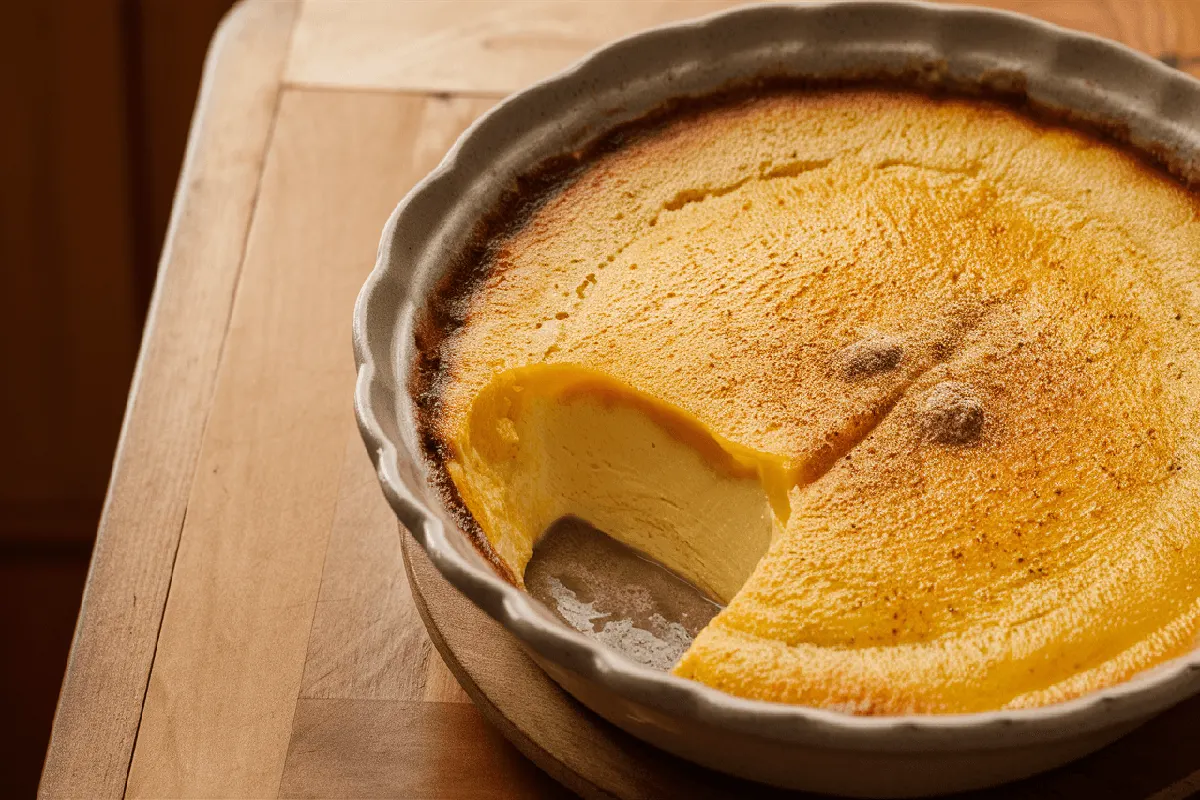
Amish Baked Custard is one of those recipes that proves simple ingredients produce the best results. The Amish cooking tradition is built on wholesome, from-scratch food. This custard reflects that perfectly. It uses eggs, milk, sugar, and vanilla to create a dessert that is silky, lightly sweet, and satisfying without being heavy. A gentle dusting of nutmeg on top adds a warm, subtle spice that ties every bite together beautifully.
What makes this recipe stand out is how approachable it is. You do not need any baking experience. The texture lands somewhere between a soft pudding and a firm flan. It holds its shape when scooped but melts the moment it hits your tongue. It is a crowd-pleaser for kids and adults alike. According to Amish Heritage, egg custard has been a traditional Amish dessert for generations, passed down through families as a symbol of simple, nourishing cooking.
This dessert also works year-round. Serve it warm in the fall and winter or chilled during spring and summer. It adapts to your needs without requiring any changes to the base recipe. That kind of flexibility is rare and worth celebrating.
If you appreciate classic, creamy desserts, this Amish baked custard is a wonderful complement to our beloved easy banana pudding recipe for a truly comforting treat.
Ingredients for Amish Baked Custard
These are the ingredients you need to make a classic Amish Baked Custard. Each one plays a specific role in achieving that perfect creamy texture.
- Eggs – The base of this custard. They bind the mixture and give it structure. Use fresh, large eggs for the best result.
- Whole milk – Full-fat milk creates a richer, creamier custard. Avoid skim milk, which produces a thinner texture.
- Granulated sugar – Sweetens the custard without overpowering the egg flavor. Adjust slightly to match your preference.
- Pure vanilla extract – Adds warmth and depth to every bite. Always choose pure over imitation for a cleaner taste.
- Ground nutmeg – Sprinkled on top before baking. It creates that signature golden, spiced crust that Amish Baked Custard is known for.
- Salt – A small pinch balances the sweetness and enhances all the other flavors.
Tools Needed
- Large mixing bowl – For whisking your custard base together smoothly.
- Whisk – Helps combine eggs, sugar, and milk without creating too many air bubbles.
- Fine mesh strainer – Straining the mixture removes any egg bits for an ultra-smooth custard.
- Ceramic ramekins or a 1.5-quart baking dish – Individual ramekins bake faster and present beautifully. A larger dish works for family-style serving.
- Deep roasting pan – Used to create a water bath, which protects the custard from direct heat and prevents cracking.
- Kettle or large pot – For boiling water to fill the water bath.
- Oven thermometer – Ensures your oven holds the correct temperature for even baking.
Step-by-Step Instructions for Perfect Amish Baked Custard
Follow these steps carefully to get a smooth, perfectly set Amish Baked Custard every time. Each step matters, so do not skip ahead.
- Preheat your oven to 325 degrees Fahrenheit. A lower temperature is key for a gentle, even bake.
- Warm the milk in a saucepan over medium-low heat until it is steaming but not boiling. Remove from heat immediately.
- Whisk the eggs and sugar together in a large bowl until the sugar fully dissolves and the mixture looks pale.
- Add the vanilla extract and salt to the egg mixture. Stir gently to combine without creating foam.
- Slowly pour the warm milk into the egg mixture a little at a time, whisking constantly. This step prevents scrambled eggs.
- Strain the custard mixture through a fine mesh strainer into a clean bowl or large measuring cup for easy pouring.
- Place your ramekins into a deep roasting pan. Pour the custard mixture evenly into each ramekin.
- Dust the tops with a light pinch of ground nutmeg over each filled ramekin.
- Fill the roasting pan with boiling water until it reaches halfway up the sides of the ramekins. This creates the water bath.
- Carefully transfer the roasting pan to the oven. Bake for 40 to 50 minutes until the edges are set but the center still has a slight jiggle.
- Remove the ramekins from the water bath and let them cool on a wire rack for at least 30 minutes before serving.
Tips for a Perfect Amish Baked Custard
Getting a silky, crack-free custard comes down to a few key practices. Keep these tips in mind every time you make this recipe.
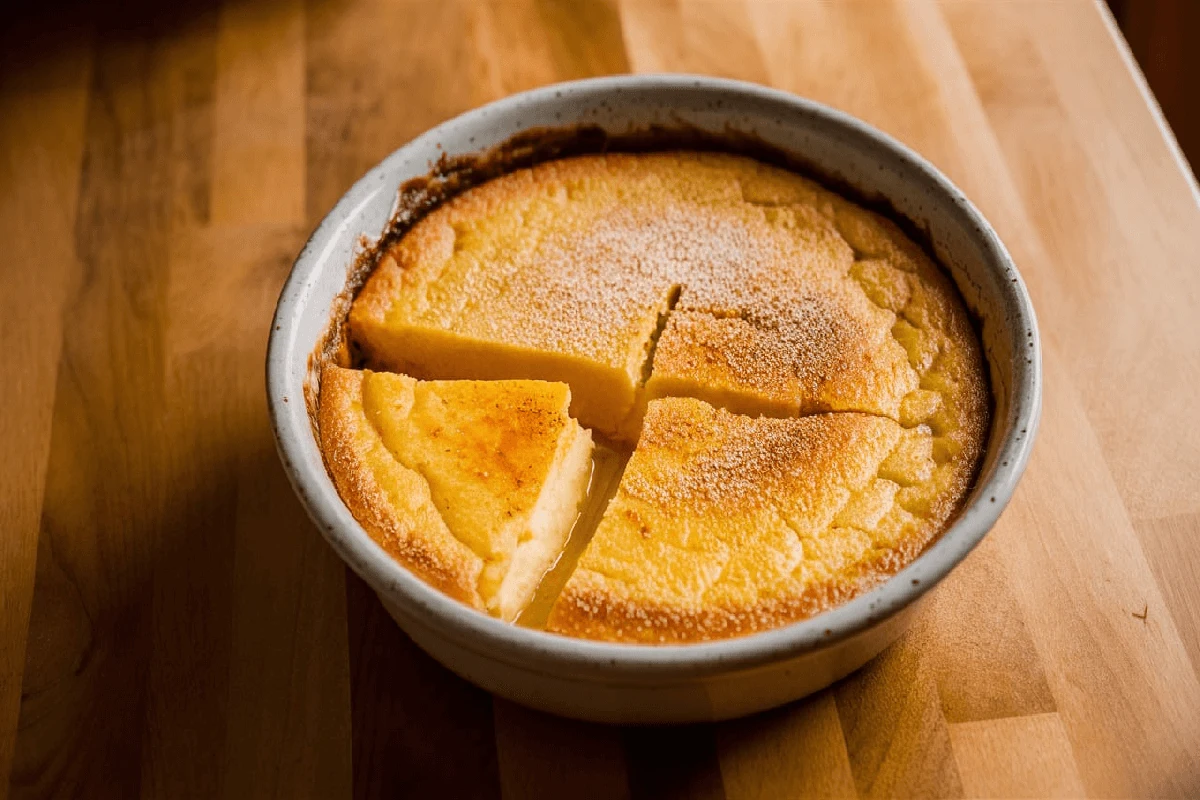
- Do not skip the water bath. The water bath keeps the heat gentle and even. Without it, the edges overcook before the center sets, and you end up with a rubbery texture.
- Temper your eggs slowly. Pour hot milk into the eggs gradually, whisking the whole time. Adding hot milk too fast cooks the eggs on contact. Your Amish Baked Custard depends on this step for smoothness.
- Strain the mixture every time. Even experienced cooks strain their custard. It removes chalazae and any bits of cooked egg that would create an uneven texture.
- Watch the jiggle. The custard is done when the edges are firm and the center wobbles like gelatin when you gently shake the pan. It will firm up as it cools.
- Use room-temperature eggs. Cold eggs do not blend as smoothly into warm milk. Pull your eggs out of the refrigerator 20 minutes before you start.
Serving Suggestions and Variations
Amish Baked Custard is wonderful on its own, but a few simple additions take it to the next level. Serve it warm straight from the oven or chilled from the refrigerator. Both ways are equally satisfying.
Top your custard with fresh berries like strawberries or blueberries for a bright, fruity contrast. A small drizzle of honey or maple syrup adds sweetness without overwhelming the delicate flavor. Whipped cream on the side is always a hit with kids and adults.
For variations, swap vanilla extract for lemon extract and add a teaspoon of lemon zest. This creates a light, citrus-forward version of Amish Baked Custard that feels fresh and summery. You can also add a tablespoon of coconut extract for a tropical spin. For a richer result, replace half the milk with heavy cream. No Dash of Gluten shares a beautifully simple take on this custard that stays true to the original Amish tradition while keeping the process approachable.
Storage and Make-Ahead Instructions
Amish Baked Custard stores well, which makes it an ideal make-ahead dessert. Once the ramekins cool to room temperature, cover each one tightly with plastic wrap. Store in the refrigerator for up to three days. The texture stays smooth and creamy throughout.
To make ahead for a dinner party, bake the custards the day before. They taste wonderful served cold and actually develop a slightly deeper flavor after resting overnight in the refrigerator. Just add your toppings right before serving so they stay fresh.
For freezing, Amish Baked Custard does not freeze well. The egg-based texture breaks down when frozen and thawed, resulting in a grainy or watery consistency. Stick to refrigerator storage for the best experience. If you plan to serve this at an event, make it one to two days ahead and refrigerate until needed.
Frequently Asked Questions About Amish Baked Custard
Why did my Amish Baked Custard come out rubbery?
A rubbery texture usually means the custard baked at too high a temperature or for too long. Always bake at 325 degrees Fahrenheit in a water bath. Pull it from the oven as soon as the center still has a slight jiggle.
Can I make Amish Baked Custard without a water bath?
Skipping the water bath leads to uneven cooking and a cracked, dense custard. The water bath is a non-negotiable step for achieving the smooth, silky texture that defines this recipe. Sweet Peas Kitchen explains the science behind why the water bath matters for custard baking in a way that is easy to understand.
How do I know when the custard is fully set?
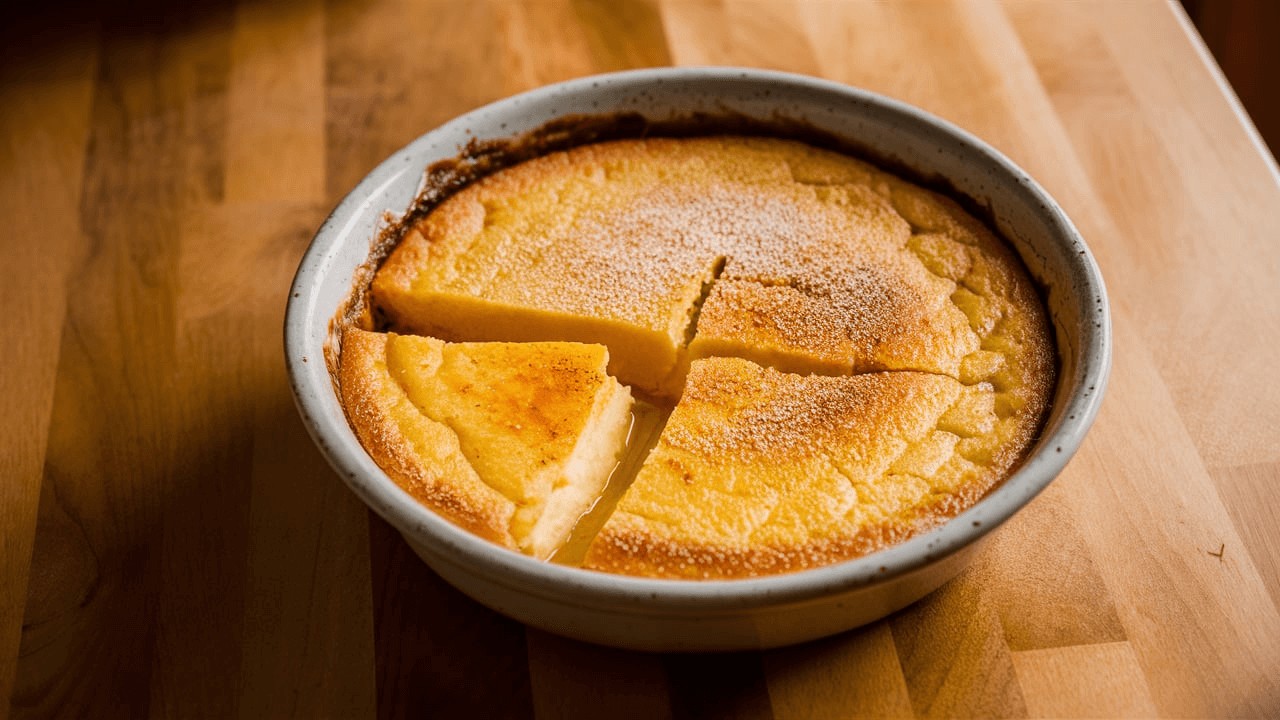
Gently shake the roasting pan. The edges of the Amish Baked Custard should be firm and the center should wobble slightly, like soft gelatin. It will firm up completely as it cools.
What type of milk works best for this recipe?
Whole milk gives you the richest, creamiest result. Two-percent milk works as a lighter option but produces a slightly less creamy texture. Avoid skim milk for this recipe.
Is Amish Baked Custard gluten-free?
Yes, the classic recipe contains no flour or gluten-containing ingredients. Always check your vanilla extract label to confirm it is gluten-free if you are baking for someone with a sensitivity.
Nutrition Information
| Nutrient | Per Serving (1 ramekin) |
|---|---|
| Calories | 180 kcal |
| Carbohydrates | 20g |
| Protein | 7g |
| Fat | 7g |
| Saturated Fat | 3g |
| Cholesterol | 145mg |
| Sodium | 95mg |
| Sugar | 19g |
| Calcium | 180mg |
| Iron | 0.8mg |
A Dessert Worth Making Again and Again
Amish Baked Custard is the kind of recipe that earns its place at your table. It is simple, honest, and deeply satisfying. You do not need special skills or hard-to-find ingredients. You need a handful of pantry staples, a little patience, and a warm oven. The result is a dessert your whole family will love.
Whether you serve it warm on a cold winter night or chilled on a summer afternoon, this custard delivers every single time. It is one of those recipes you will return to for years. Try it this week, make it your own with a flavor twist, and share it with someone you love.
If you make this recipe, leave a comment below and tell me how it turned out. Share your photos and tag your variations. I would love to hear which twist became your family favorite.
For another simple yet elegant dessert, our no-bake lemon eclair cake is a refreshing option that’s perfect for any gathering.
Amish Baked Custard
Equipment
- 1 Large Mixing Bowl
- 1 Whisk
- 1 Fine Mesh Strainer
- 6 Ceramic Ramekins or 1.5-quart baking dish
- 1 Deep Roasting Pan for water bath
- 1 Kettle or Large Pot for boiling water
- 1 Oven Thermometer (optional)
Ingredients
Custard Base
- 4 large eggs room temperature
- 2 cups whole milk warmed until steaming
- 1/3 cup granulated sugar adjust to taste
- 1 tsp pure vanilla extract use pure, not imitation
- 1/8 tsp salt balances sweetness
Topping
- 1/4 tsp ground nutmeg for dusting on top before baking
Instructions
- Preheat your oven to 325 degrees Fahrenheit. A lower temperature ensures a gentle, even bake for your Amish Baked Custard.
- Warm the milk in a saucepan over medium-low heat until it is steaming but not boiling. Remove from heat immediately.
- Whisk the eggs and sugar together in a large bowl until the sugar fully dissolves and the mixture looks pale and smooth.
- Add the vanilla extract and salt to the egg mixture. Stir gently to combine without creating foam.
- Slowly pour the warm milk into the egg mixture a little at a time, whisking constantly to prevent scrambling the eggs.
- Strain the custard mixture through a fine mesh strainer into a clean bowl or large measuring cup for smooth, lump-free pouring.
- Place your ramekins into a deep roasting pan. Pour the custard mixture evenly into each ramekin.
- Dust the tops with a light pinch of ground nutmeg over each filled ramekin for the classic Amish Baked Custard finish.
- Fill the roasting pan with boiling water until it reaches halfway up the sides of the ramekins to create the water bath.
- Carefully transfer the roasting pan to the oven. Bake for 40 to 50 minutes until the edges are set and the center has a slight jiggle.
- Remove the ramekins from the water bath and cool on a wire rack for at least 30 minutes before serving warm or refrigerate until chilled.
